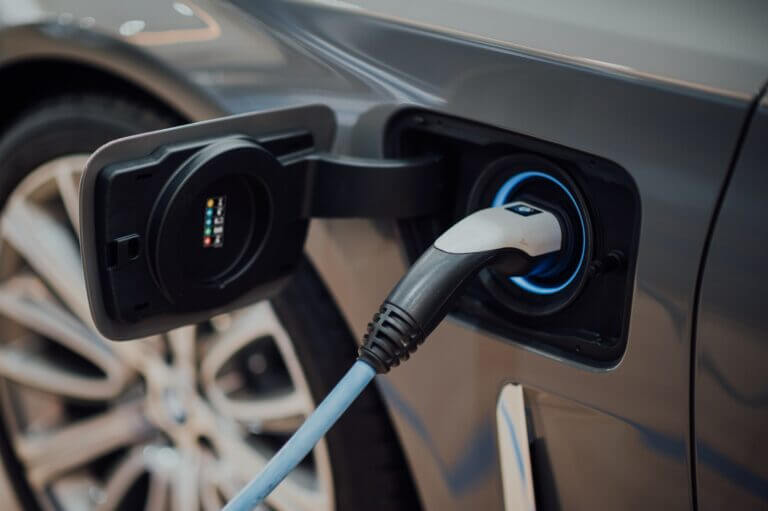
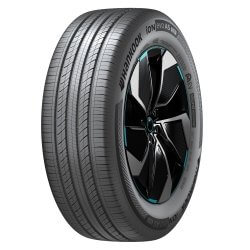
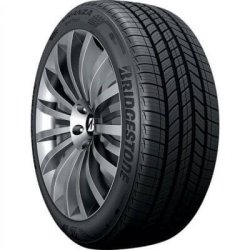
Tires are one of the more expensive and underlooked maintenance pieces on an electric vehicle.
Electric vehicle tire’s wear much faster than gas vehicles because of additional weight, instant torque, etc.
Tire manufacturers seem to be playing catch-up in the EV tire market. There are good aftermarket options out there but not many specialized options.
There are not many “EV” tires at the time of this article (2023). The market is still developing. Just like we have “truck” tires, “commercial” tires, “trailer” tires, and “car” tires; some day EV’s will have there own market segment.
In the past decade, electric vehicles (EVs) have become increasingly popular as a more sustainable and environmentally-friendly alternative to traditional gasoline-powered vehicles. With advances in battery technology and a growing awareness of the impact of transportation on the environment, many experts predict that EVs will continue to gain popularity over the next decade and beyond.
With electric vehicles increasing in popularity, it is important to know more about them and the differences between them and traditional gas vehicles. There are many aspects to consider when transitioning to an EV, one important factor that is often overlooked are the tires. In this article we will be discussing Electric Vehicle Tires and what makes tires an important component of the evolution of EVs.
Electric Vehicle Tire Specifics
EV tires are specially designed to meet the unique needs of electric vehicles, providing improved energy efficiency, better handling, and a more comfortable ride. Here are a few key features and notes about EV tires and why they are important for the future of sustainable driving:
1. Low Rolling Resistance
One of the biggest advantages of EV tires is their low rolling resistance, which helps to increase the vehicle’s range and reduce energy consumption. Low rolling resistance means that the tires require less energy to roll, which results in increased energy efficiency and a longer battery life. This makes it possible for drivers to travel further on a single charge, reducing the need for frequent battery recharging.
2. Improved Handling and Braking
EV tires are also designed to improve handling and braking, providing drivers with greater confidence and control on the road. The tires are engineered to have a more optimized tread pattern, which enhances grip and stability, particularly in wet conditions. EVs weigh more than gas powered vehicles, more weight means longer braking distance. Good tires with high quality rubber compounds can help with the braking distance factor of EVs.
3. Comfort and Quiet
Tires for an electric vehicle need to be as quiet as possible because there is no engine noise. EV tires are designed to provide a more comfortable and quiet ride, thanks to their specialized tread patterns and improved cushioning. The tires are optimized to absorb road vibrations and reduce road noise, providing drivers with a more comfortable and relaxed driving experience.
4. Electric Vehicles are Heavy and Powerful
EVs are heavier than their gas powered counterparts and also have a higher instant torque. EV tires need to have stronger constructions and sturdier rubber compounds.
Checking the tire load index is an important factor when buying tires for an EV as it is crucial to have tires that can carry the weight of your car. Consider an XL load rated tire that has been specifically developed for use with heavy loads.
Tires on an electric vehicle will wear much faster than a gas powered vehicle.
High performance vehicles require high performance tires. Electric vehicles have instant torque, this means that they accelerate as soon as you touch the pedal. This instant torque increases the wear on your tires. EV tires will need to be able to withstand that torque and the additional weight that EVs come with.
What are Tire Manufacturers Doing to Improve EV Tires?
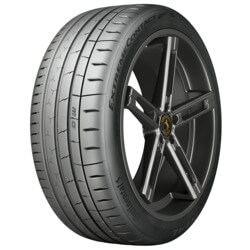
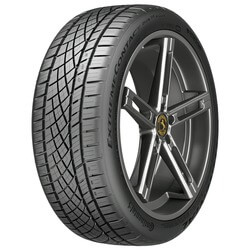
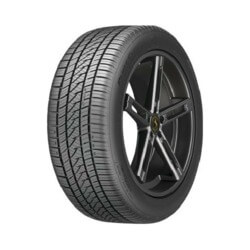
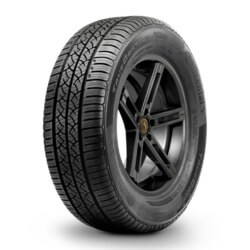
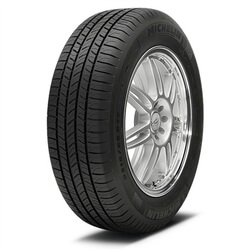
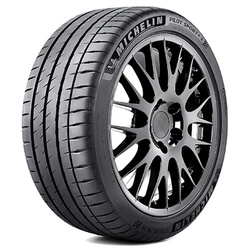
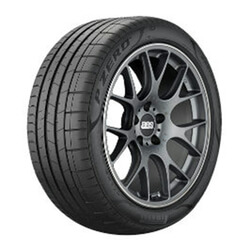
EV tires are an important component of electric vehicles and play a crucial role in the future of sustainable driving. Tires improve energy efficiency, provide better handling, and give a more comfortable ride. So, what are tire manufacturers doing to improve tires for electric vehicles? Some of the leading manufacturers of tires have made serious improvements in tire technology over recent years. Michelin, Continental, Pirelli, Bridgestone and Hankook are all now making tires that specialize in the EV market. As the market currently stands, there are not many tires that are being specifically made for electric vehicles alone. This will change in the future but the following is a list of tires that either come equipped on Electronic Vehicles from the manufacturer or are high quality aftermarket solutions:
Electric vehicle technology will continue to change and improve over time and, regardless of your own personal opinion of them, there is a good chance that over the next 25 years the roads will be dominated by them. With it also being likely that we see advancements in EV tire technology, sustainable driving will be even more accessible and convenient.
Take Off Tire is focused on being a leader in the EV Tire market. For any questions about electric vehicle tires or to purchase tires for your EV or another vehicle give us a call at 402-413-6646. Take Off Tire has experienced salesmen that can help you with any of your tire needs!